

Buford and Gainesville both offer access to North Georgia amenities, but the day-to-day feel, housing patterns, and travel routes can be quite different. A practical comparison starts with your preferred home style, commute rhythm, budget range, and the places you expect to visit most often. Touring both areas with the same checklist can turn a broad search into a confident decision.
Start With the Way You Want to Use Your Week
Choosing between Buford and Gainesville is less about declaring one place “better” and more about finding the setting that works best for your routine. Both are established North Georgia markets with a mix of housing options, major road access, local services, outdoor destinations, and active commercial areas. The useful question is how each location fits the practical details of your week: where you work, where you run errands, how often you travel, and what kind of home maintenance or lot size feels comfortable.
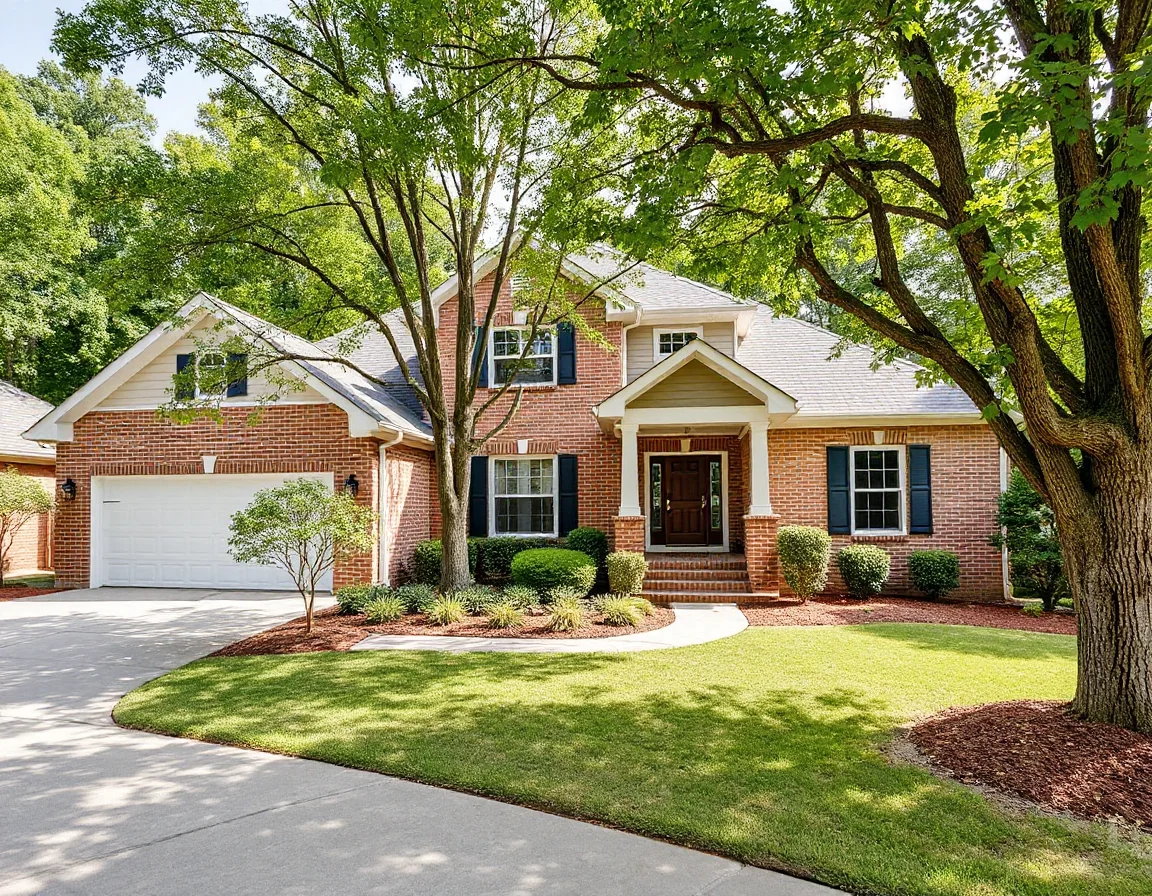
Buford is often part of a search focused on proximity to the Interstate 85 corridor, Mall of Georgia-area conveniences, and destinations across Gwinnett County and metro Atlanta. Buyers may encounter established neighborhoods, newer construction communities, townhomes, condominiums, and homes on larger parcels as they expand their search radius. Because the area has developed in several directions over time, a few miles can change the available inventory, traffic pattern, lot characteristics, and price point.
Gainesville, farther northeast, has a distinct connection to Lake Lanier, downtown civic amenities, health-care and employment centers, and routes toward the North Georgia mountains. Housing choices can range from historic in-town properties and newer subdivisions to acreage, lake-adjacent homes, and properties outside the city center. That variety rewards a focused search: the setting, road access, utilities, topography, and maintenance needs can be very different from one listing to the next.
Drive each area at the times you would actually use it. A route that feels simple on a weekend afternoon may feel entirely different during a weekday commute or an evening errand run.
Before comparing individual listings, make a short list of non-negotiables and preferences. Separate items such as bedroom count, workspace needs, parking, outdoor space, HOA guidelines, and renovation tolerance from details that would simply be nice to have. This keeps the search centered on how a property functions rather than on a first impression alone. Norton Real Estate’s long-standing North Georgia presence can be particularly helpful when a search spans more than one community and property type.
Compare Housing Styles, Land, and Upkeep
One of the most important differences between a Buford and Gainesville search may be the type of property you can consider at a given budget. In either market, inventory changes over time, so current listings deserve more attention than broad assumptions. Still, understanding common housing patterns can help you set up a more efficient tour plan and avoid comparing homes with very different ownership responsibilities.

In Buford, many buyers begin with homes in planned communities or near established retail and road networks. Review the lot dimensions, HOA documents, parking arrangement, exterior maintenance responsibilities, and nearby future development whenever those details matter to you. A newer home may offer current finishes and systems, while an older property may provide a different floor plan, larger trees, or a more established streetscape. Neither is automatically the right choice; the tradeoffs should match your timeline and comfort level.
Gainesville searches can bring a wider mix of neighborhood settings, including properties with more land or more pronounced terrain. If acreage is on your list, look beyond the house itself. Ask about driveway grade, drainage, septic or public utilities, boundary clarity, mowing needs, and the practical cost of maintaining outdoor features. For lake-oriented properties, confirm access arrangements, dock permissions where applicable, shoreline conditions, insurance considerations, and the route from the home to everyday destinations.
A good showing notes more than the kitchen or primary suite. Pay attention to natural light, storage, road noise, sightlines, roof age, mechanical systems, and any visible signs of deferred maintenance. Consider whether the layout supports your actual habits, including work, hobbies, entertaining, or keeping equipment organized. These observations make it easier to compare homes after a full day of touring.
When two homes have similar asking prices, the ongoing costs may not be similar. HOA dues, utility setup, lot maintenance, insurance, commute mileage, and planned repairs all belong in the comparison.
Map the Destinations That Matter Most
Location is most useful when it is measured against places you already visit. Create a personal map that includes work or frequent business destinations, grocery options, medical appointments, recreation, airports, major highways, and the people or activities that shape your routine. Then test both Buford and Gainesville from that point of view rather than relying only on a pin location in a listing app.
Buford may appeal to buyers who want straightforward access to I-85, State Route 20, and a broad range of nearby services. The area’s development pattern can make errands convenient, though travel times still vary by time of day and by the particular side of town. Touring a home should include the route to the nearest roads you expect to use regularly, especially if a property sits beyond the most direct corridors.
Gainesville offers its own network of daily conveniences, with local destinations clustered around several parts of the city and surrounding Hall County. Its position can also make it a practical base for Lake Lanier recreation and trips toward mountain communities. At the same time, buyers should consider whether the routes they will use most often feel comfortable for their schedule. A scenic drive and an efficient weekday drive are not always the same thing.
Community amenities can also shape the comparison. Gainesville provides access to lake views, waterfront recreation, green spaces, and cultural events, while Buford offers parks, gathering spaces, golf, retail districts, and regional entertainment nearby. Visit the amenities that interest you rather than treating them as a checklist item. A park, trail, marina, or town-center event only adds value to your decision if you can imagine using it regularly.
Use a Consistent Tour Checklist
The clearest way to choose is to view both locations through the same lens. Bring the same checklist to every showing, take a few notes immediately afterward, and rank each property on the items that matter most. This prevents one beautifully staged room or one convenient address from overshadowing the full picture.
- Estimate travel time to your most frequent destinations at realistic hours.
- Compare monthly ownership costs beyond the mortgage payment.
- Review lot conditions, drainage, parking, and exterior maintenance needs.
- Ask about HOA rules, utility providers, zoning context, and nearby planned projects when relevant.
- Consider how the home’s layout, storage, and outdoor areas support your everyday routine.
Buford and Gainesville can both support a successful home search, but they offer different combinations of access, inventory, land characteristics, and local rhythm. Give yourself enough time to tour broadly before narrowing the list. With nearly a century of North Georgia market knowledge, Norton Real Estate can help connect listing details to the practical questions that matter after move-in day. The right choice is the home and location that feel workable not only on showing day, but also on an ordinary Tuesday months from now.