Selling in Gainesville does not always require a full renovation to make a meaningful difference. A focused plan—one that improves presentation, reduces buyer uncertainty, and supports accurate pricing—can help protect your proceeds while keeping preparation manageable. These seven fixes are practical places to begin before your home reaches the market.
1. Start With the Repairs Buyers Notice First
Not every repair deserves the same attention before a sale. The most useful starting point is a walk through the property with fresh eyes, looking for items that suggest deferred maintenance: a dripping faucet, loose cabinet hardware, damaged screens, worn caulk, stained ceilings, sticking doors, or missing outlet covers. Individually, these details may be minor. Together, they can cause buyers to wonder what larger maintenance items may also have been overlooked.
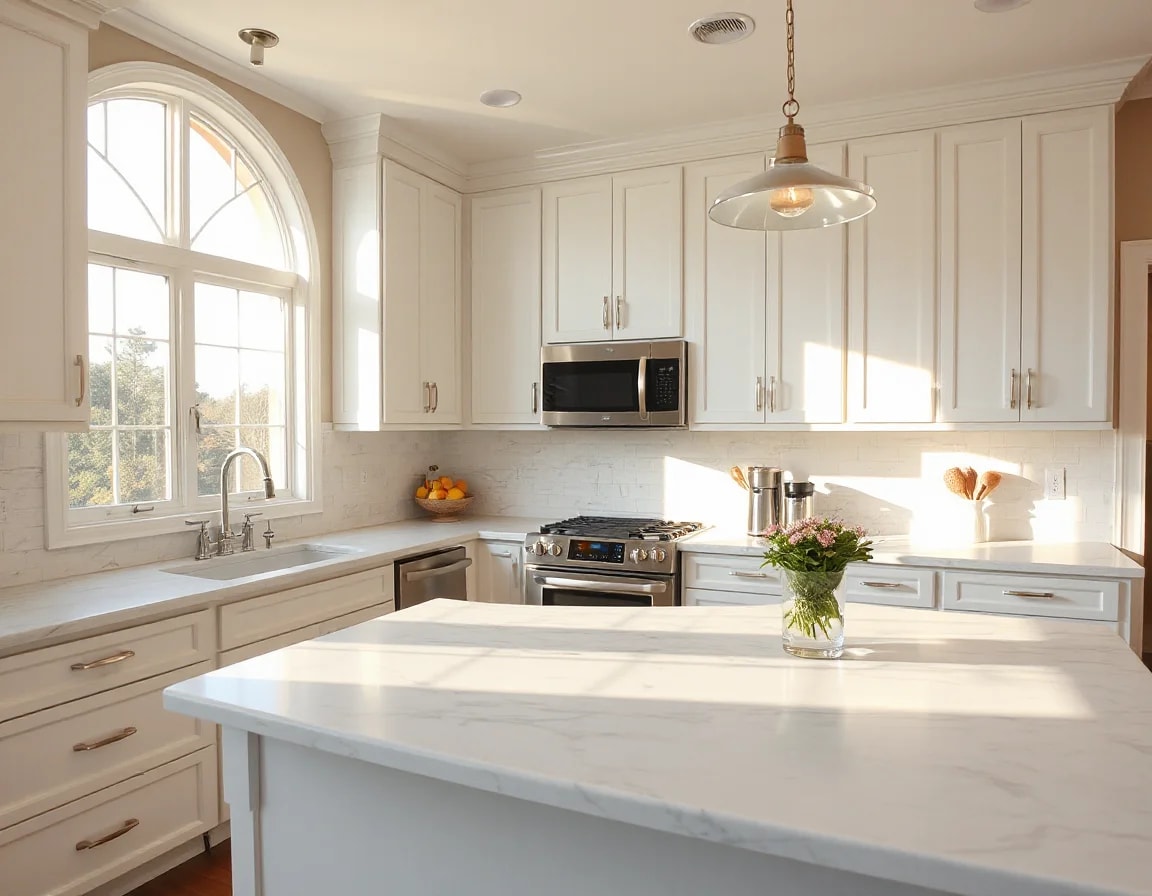
Make a written list, then separate it into three categories: safety-related items, visible maintenance, and optional upgrades. Address obvious safety concerns and active leaks promptly. Next, prioritize small visual repairs that can be completed efficiently. A buyer may not expect a brand-new home, but they are more likely to respond positively when the home appears cared for and ready for its next chapter.
For Gainesville sellers, this approach is especially useful because housing stock can vary widely by neighborhood, age, lot size, and style. A well-kept older home can compete effectively when its condition is presented honestly and consistently. The goal is not to erase every sign of age; it is to reduce distractions that may affect a buyer’s impression or negotiation position.
A short repair list completed before photography can be more valuable than a long list of expensive projects started too late to influence the launch.
2. Improve Curb Appeal With a Targeted Exterior Reset
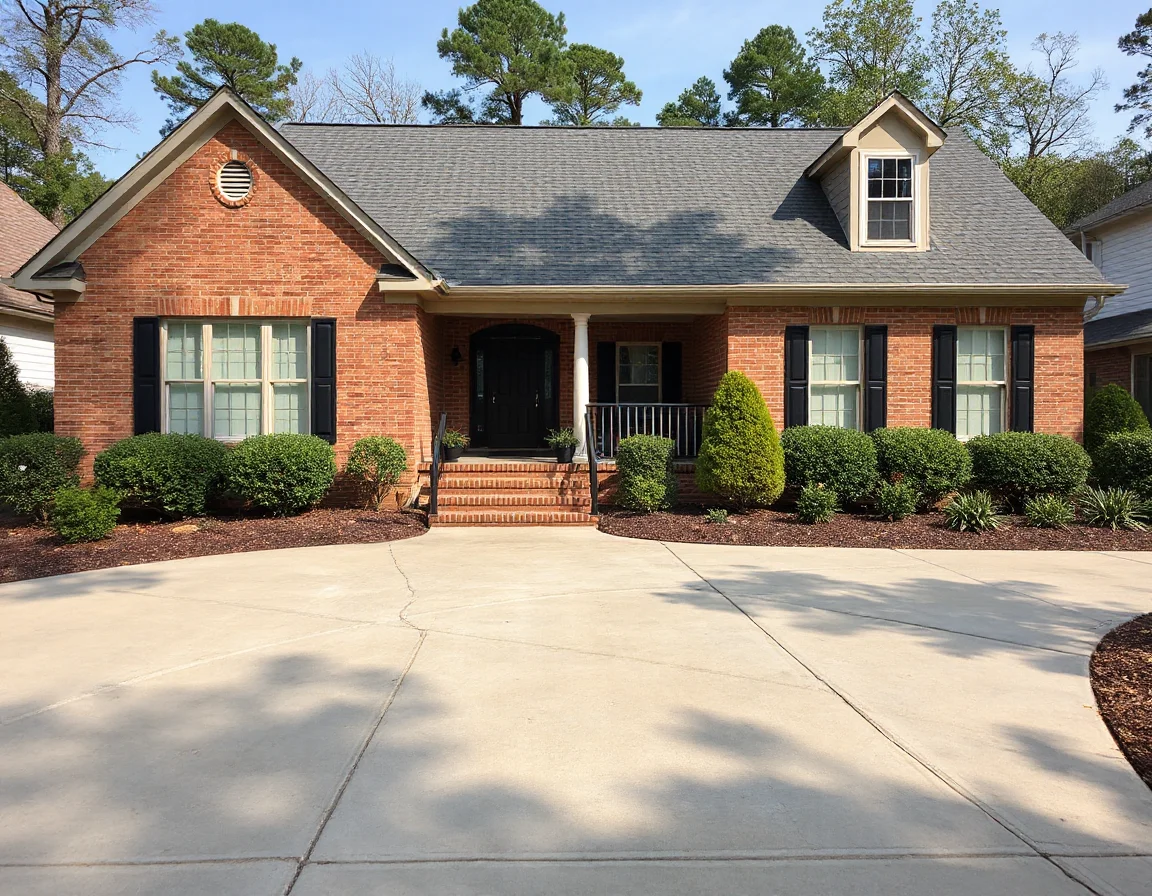
The exterior creates the first impression before anyone steps through the door. Fortunately, a strong reset does not have to mean major landscaping work. Fresh mulch, trimmed shrubs, cleared gutters, pressure-washed walkways, a clean porch light, and a freshly painted front door can make the arrival feel more intentional. Confirm that house numbers are easy to spot and that the path from driveway to entry is clear.
Take an honest look at the roofline, siding, trim, windows, and driveway as well. If there are visible items that need attention, obtain professional guidance before deciding whether to repair, replace, or disclose them. A simple exterior refresh is often a better use of time and money than adding elaborate features that may not align with the home’s price range or nearby comparable sales.
Outdoor spaces should also show how they function. Sweep patios, remove worn planters, store unnecessary equipment, and arrange any seating so the area feels usable. Whether a property has a compact courtyard, a covered porch, or a larger yard, clean lines and basic maintenance help buyers focus on the space itself rather than the work they imagine doing after closing.
3. Edit Each Room Before You Deep Clean
Cleaning matters, but decluttering usually comes first. Excess furniture can make rooms feel smaller, and overfilled shelves can distract from storage features. Begin by removing personal paperwork, countertop appliances that are rarely used, extra décor, and any furniture that blocks natural walking paths. This is also a practical opportunity to begin packing items that will not be needed before the move.
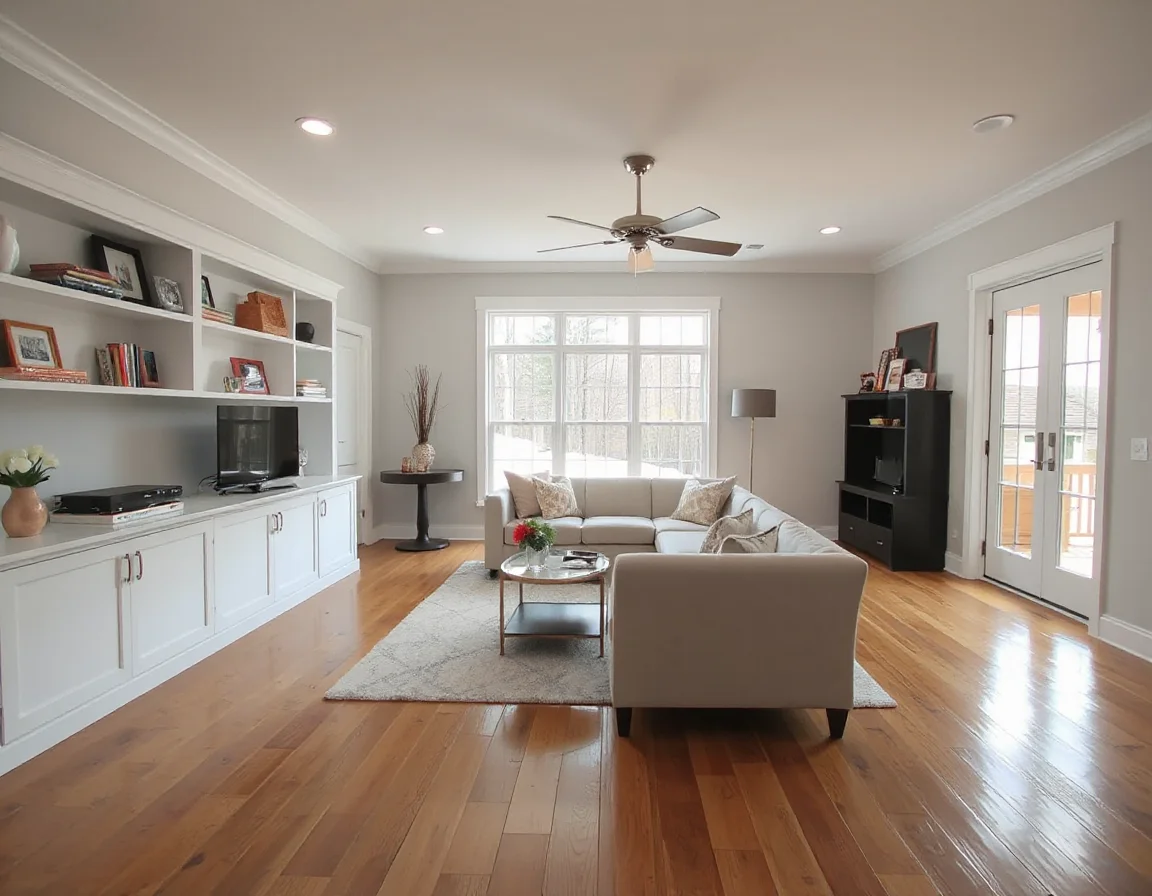
Once the home is edited, deep clean from top to bottom. Pay special attention to kitchens, bathrooms, flooring, windows, baseboards, vents, and light fixtures. Neutralizing odors is equally important. Open windows when weather permits, remove pet-related items before showings, and avoid heavily scented products that can overwhelm a space. Clean, fresh air and natural light create a far stronger impression than an overly perfumed room.
Storage areas deserve attention, too. Closets, pantries, laundry rooms, and garages are often part of a buyer’s decision-making process. They do not need to be empty, but they should look organized and accessible. Leaving some visible space in shelves and closets helps demonstrate capacity without making promises beyond what the property provides.
4. Use Paint and Lighting to Clarify the Home’s Best Features
Paint is one of the most flexible selling tools available because it can refresh a room without changing its layout. If walls are heavily marked, unusually dark, or painted in several competing colors, consider a restrained palette that lets flooring, windows, ceiling height, and built-in features take the lead. Neutral does not have to mean bland; it simply allows buyers to see the room more clearly.
Lighting deserves the same level of attention. Replace burned-out bulbs, use matching bulb temperatures within a room, and clean fixtures and window coverings. Before photos and showings, open blinds and curtains where privacy allows. A room that is bright, orderly, and easy to navigate generally photographs better and makes its dimensions easier to understand in person.
Before approving photos, stand at the front door and ask one question: does every visible space communicate the same level of care as the best room in the home?
5. Price From Current Evidence, Not From a Neighbor’s Headline
A carefully prepared home still needs a pricing strategy grounded in current market evidence. Recent closed sales, active competition, pending listings, condition, lot characteristics, updates, and location all influence how buyers compare options. A nearby sale can be useful context, but it is rarely an exact match. The most productive pricing conversation considers the full picture rather than anchoring to a single number.
Overpricing can carry a real cost when a listing misses its strongest early exposure window. Buyers who are actively watching Gainesville inventory tend to notice when a home remains available longer than expected, particularly if similar listings move more quickly. A strategic list price, paired with clear presentation and accurate property details, can generate more meaningful interest than a number chosen solely to leave room for negotiation.
Norton Real Estate’s long-standing North Georgia presence brings useful local context to this step. Market knowledge is not just about a broad median price; it is about recognizing how condition, timing, and competition affect a specific property.
Request a Gainesville home valuation
6. Prepare Documents and Disclosures Before Showings Begin
Reducing uncertainty can protect a seller’s time and negotiating position. Gather records for major improvements, warranties, service invoices, utility information, permits when applicable, and manuals for systems or appliances that will remain with the property. If the home is part of an association, organize the available association documents, fees, and contact information as early as possible.
Georgia sellers should also work with their real estate professional on required disclosures and property-condition information. Clear, timely information helps buyers evaluate the home with fewer surprises. It does not eliminate questions, but it can make conversations more direct and help avoid avoidable delays after an offer is accepted.
Keep a simple showing plan ready as well. Secure valuables and medications, make arrangements for pets during appointments, and create a short checklist for lights, blinds, temperature, and daily tidying. The easier the home is to show consistently, the better it can perform during the active listing period.
7. Choose Improvements That Fit the Likely Return
Before committing to a major project, compare the cost, timing, and disruption with the likely market benefit. Replacing a visibly worn item may make sense; undertaking a highly customized renovation shortly before listing may not. Buyers often value a home that is clean, functional, and accurately priced more than one with expensive finishes that do not match the surrounding market.
If time is limited, focus on the sequence: repair what is broken, clean what is visible, simplify what is crowded, and price from evidence. Those steps create a coherent presentation and make it easier for buyers to understand the property’s value. They also give sellers a practical framework for deciding where professional help is worthwhile.
When you are ready to compare preparation options with current Gainesville inventory, review the active market alongside your home’s condition and goals. A thoughtful pre-listing plan can help you direct resources toward the updates that matter most—and keep your bottom line in view from the first showing through closing.